
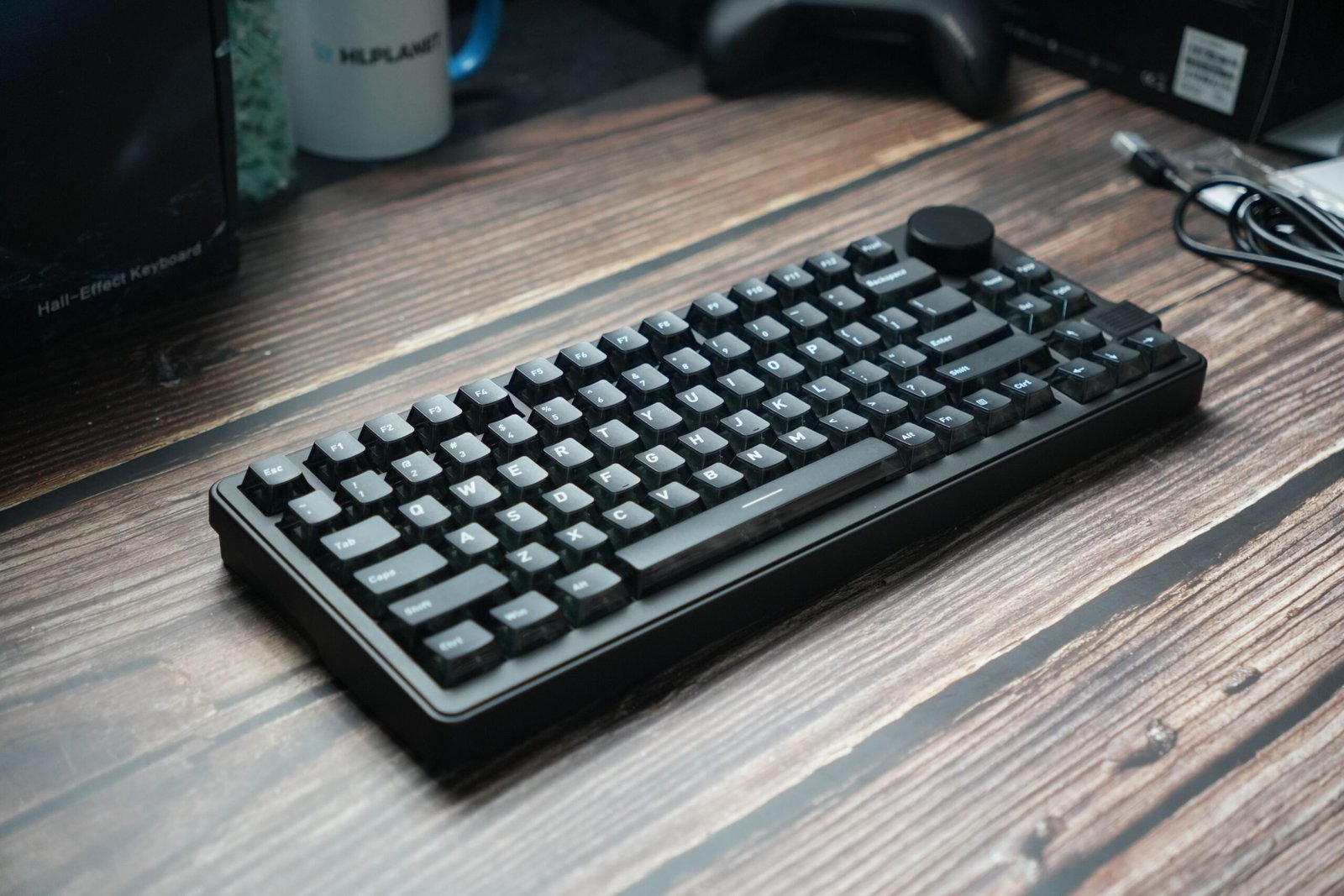
The Pain: Why Off-the-Shelf Aluminum Cases Fail Premium Keyboard Brands
Your mechanical keyboard brand is growing fast in the US, Canada, and Mexico.But your current aluminum cases feel like a bottleneck.
Inconsistent anodizing colors between batches frustrate your customers and generate costly returns. Loose tolerances cause PCB fitment issues during assembly, slowing down your production line. Delayed lead times from overseas suppliers make it impossible to hit seasonal launch windows.
Worse, the LATAM mechanical keyboard market is projected to grow from USD 113.57 million in 2024 to USD 228.87 million by 2033 — and brands that can't secure reliable aluminum case supply will lose this opportunity to competitors.
The core issue: you need a CNC aluminum keyboard case partner who delivers consistent quality, tight tolerances, and on-time delivery — every single batch.
The Solution: Custom CNC Machined Aluminum Keyboard Cases Built for the Americas
A custom CNC machined aluminum keyboard case solves every pain point above — when it's manufactured correctly.
Unlike die-casting or injection molding, CNC machining cuts the entire case from a solid aluminum billet. This eliminates internal porosity, produces razor-sharp edges, and holds tolerances as tight as ±0.01mm across every unit.
For North American and South American brands, the key benefits are clear:
Our OEM service covers the full chain: material sourcing, CNC machining, sandblasting, anodizing, laser engraving, and final assembly — so you receive ready-to-ship keyboard cases.
Technical Parameters: What to Spec for Your Aluminum Keyboard Case
When sourcing a CNC machined aluminum keyboard case, these are the specifications that determine quality and cost:
6061 aluminum CNC keyboard case projects typically use 3-axis CNC milling for the top and bottom housings, with a machining margin of 0.5mm for finishing operations.For brands targeting the Brazilian market, note that keyboards currently face a 10.8% import tariff — sourcing from a supplier experienced with LATAM logistics and documentation can significantly reduce customs friction.
Customer Case: How a Brazilian Keyboard Brand Cut Defects by 92%
Client background: A Brazilian mechanical keyboard startup selling premium 65% and TKL layouts to the São Paulo gaming community. They previously sourced aluminum cases from a local die-casting supplier.
The problem: Over 15% of received cases showed surface porosity, uneven anodizing, and inconsistent top-bottom case gaps — defects that are nearly impossible to fix after anodizing.
Our solution:
Results: The client's defect rate dropped from 15% to 1.2% . Their return customer rate increased by 28% within three months. They have since placed four repeat orders.
"The difference in quality between die-cast and CNC aluminum is night and day. Our customers noticed immediately." — Client feedback
FAQ: Sourcing Aluminum Keyboard Cases for North & South America
Q1: What's the difference between 6061 and 6063 aluminum for keyboard cases?
6061-T6 offers higher strength and better machinability, making it the preferred choice for premium cases. 6063 is softer and easier to anodize with a smoother finish, but it dents more easily.
For a 6061 aluminum CNC keyboard case, expect superior structural rigidity and crisper acoustic signature.
Q2: How do I prevent anodizing color mismatch between production batches?
Lock your aluminum alloy supplier to a single source with certified composition. Use Type II anodizing (not Type III) for brighter, more consistent colors. Require your manufacturer to provide ISO 2931 admittance test reports for every batch.- Light colors (silver, champagne) show variation more than dark colors (black, navy).
Q3: What tolerance should I specify for my keyboard case drawing?
For PCB and plate fitment, specify ±0.05mm on mounting holes and internal cavities. For external cosmetic surfaces, ±0.1mm is acceptable.
Overall case gap consistency should target ±0.05mm to achieve the premium 0.3mm perimeter gap that enthusiasts expect.
Q4: Can you handle OEM service with custom branding and packaging?
Yes. We offer full OEM service including custom laser engraving, logo etching, custom anodizing colors, brass weight inserts, and retail-ready packaging. Our facility holds ISO 9001 certification with 100% dimensional inspection on every production run.
Q5: What are typical lead times for North and South American orders?
Prototypes: 5–7 business days. Production (500–2,000 units): 15–25 days after drawing approval. We ship FOB from our facility and work with freight forwarders specializing in USMCA and MERCOSUR routes.Ready to Upgrade Your Keyboard Line with Premium CNC Aluminum
Ready to Upgrade Your Keyboard Line with Premium CNC Aluminum Cases?
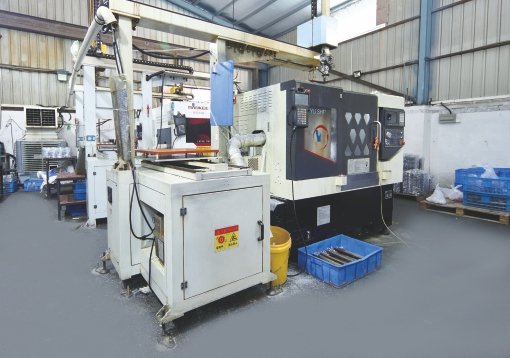
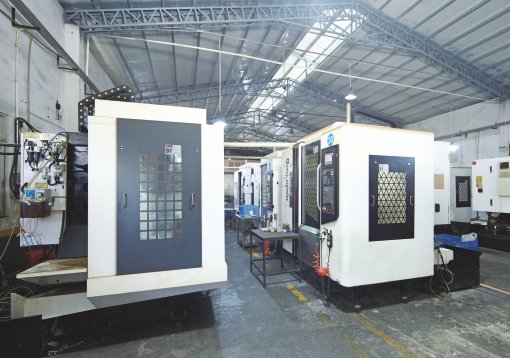
Stop losing sales to inconsistent aluminum cases. Upload your 2D/3D drawings today, and our engineering team will provide a free DFM report and quotation within 24 hours.Whether you need 10 prototypes or 10,000 production units, we deliver CNC machined aluminum keyboard cases that meet the quality standards your North and South American customers demand.
Get Your Free Quote & DFM Report → [Contact Us Now]
️️ISO 9001 Certified |️ OEM Service | ️100% Inspection | ️Fast Lead Times
Leave A Comment